
Whimsymaxxing at home: make one thing more fun
What whimsymaxxing means and how to try the playful 2026 interiors trend with personal objects, useful color, and reversible room changes.
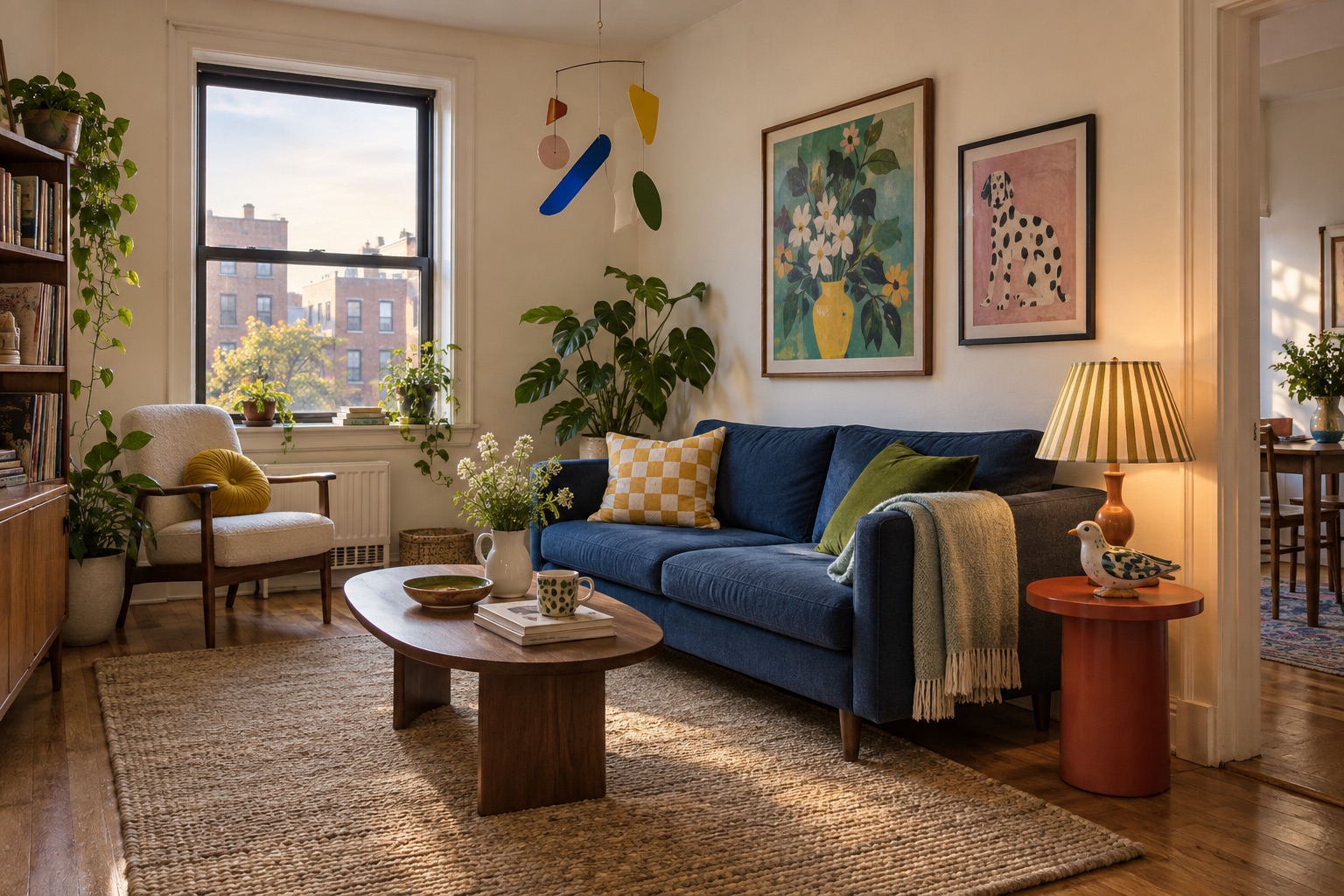
A ceramic bird sits on the side table. The lamp wears a striped shade. Above the sofa, a paper mobile moves when the window is open. None of these things is essential, and that is partly the point.
Whimsymaxxing is the internet's current word for putting more play, surprise, and small pleasures into ordinary life. The suffix comes from online "maxxing" language: take one quality and pursue more of it. British Vogue reported in May 2026 that social-listening company Pulsar had tracked the term from limited online use in July 2025 into wider lifestyle culture by April 2026. By July, Ideal Home was applying whimsymaxxing directly to interiors, and VICE was still calling it the internet's latest feel-good trend on August 24.
The interest is broader than one slang term. Etsy's Spring and Summer 2026 trend report calls one direction "World of Whimsy" and reports year-over-year search increases for whimsical jewelry, beginner needlepoint kits, and other playful objects. Marketplace searches do not prove that everyone wants a whimsical living room. They do show that the appetite for personal, slightly unserious things is real enough to measure.
For interiors, the useful part of whimsymaxxing is permission. It gives you a reason to keep the lamp, drawing, souvenir, or odd color that makes sense to you and may not fit a named style. The less useful version is buying a roomful of novelty objects because a feed has decided that frogs, bows, and checkerboards are whimsical this week.
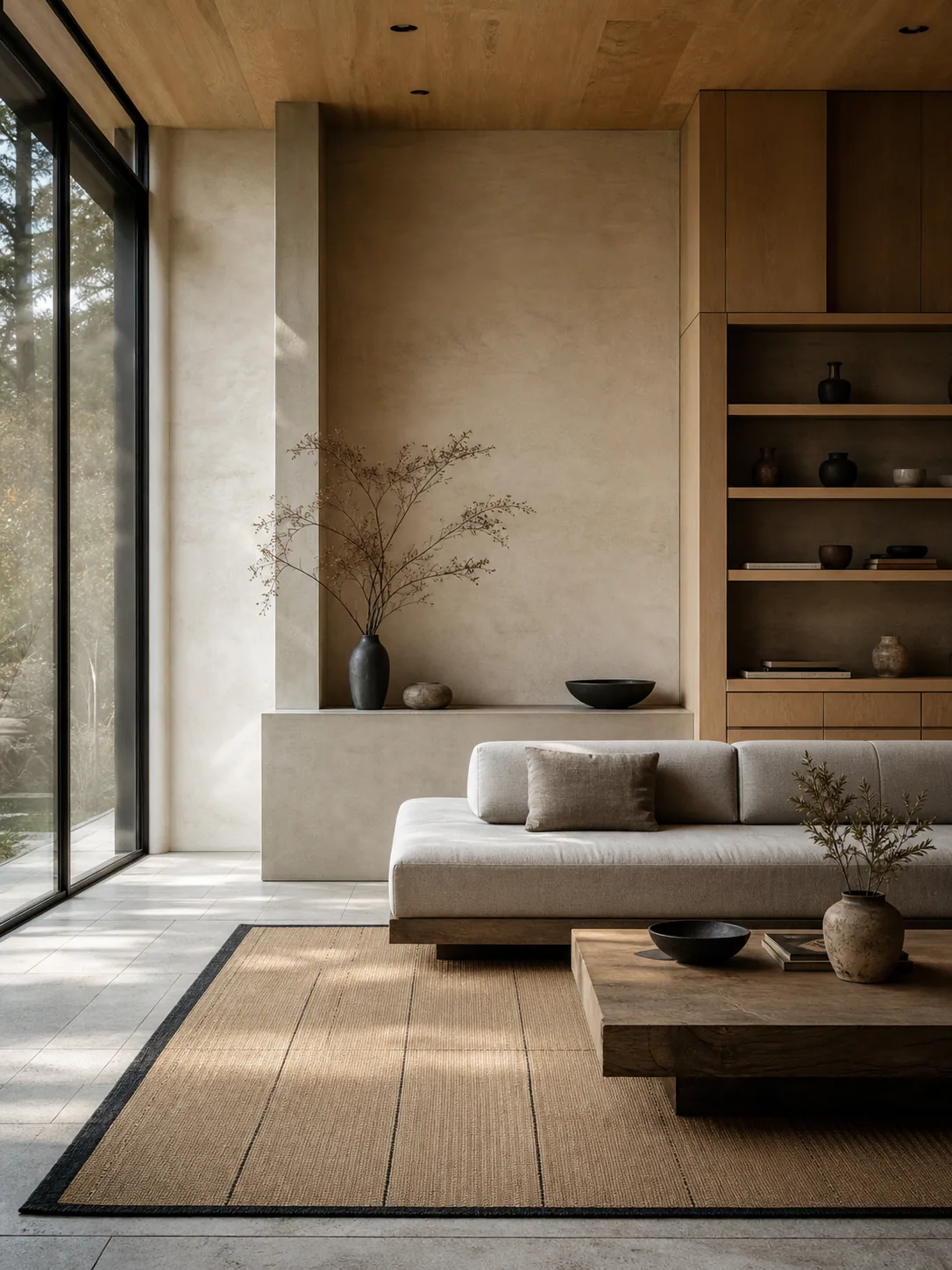
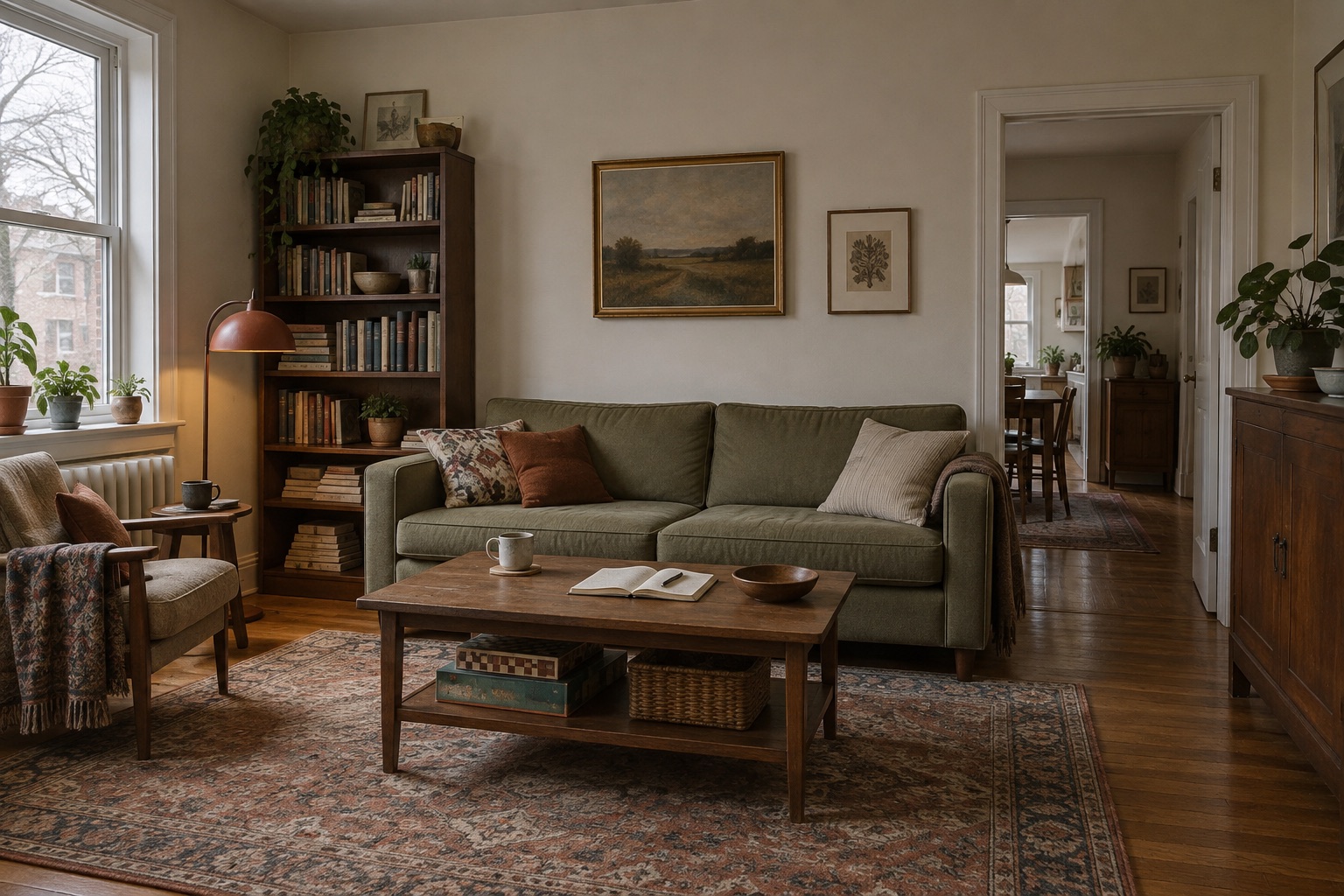
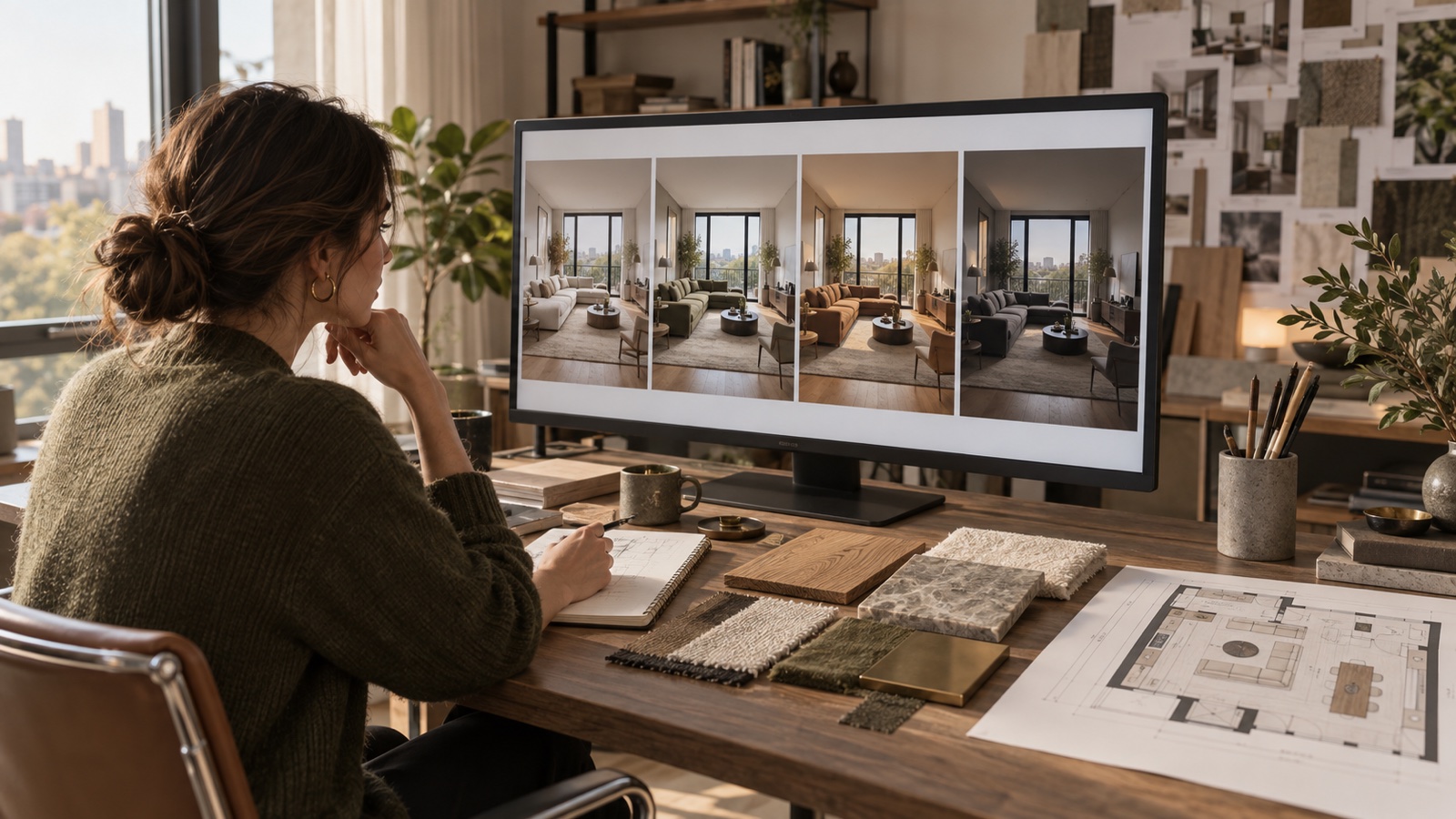
The cover image is an AI-generated concept, not a photograph of a completed home project.
Begin with the thing you would keep
Before searching for whimsical decor, look at what you already refuse to remove. It might be a child's drawing in a serious frame, a chipped vase from a relative, a lamp with a peculiar shape, or the bright chair that has followed you through three apartments.
That object gives the room a more specific starting point than "make it playful." Ask what you like about it. Is it the color, the scale, the memory, or the fact that it interrupts an otherwise orderly room? The answer tells you what to repeat and what to leave alone.
If the object is tiny, give it enough visual space to be noticed. A strange little sculpture surrounded by twenty unrelated trinkets becomes shelf noise. On a clear stack of books or beside a plain lamp, it can hold the whole moment by itself.
This is also where whimsymaxxing parts company with generic maximalism. You can have one surprising object in a restrained room. You can also have patterned walls, collections, and strong color if those are already yours. The amount is less important than whether the choices feel connected to the person living there.
Put the surprise where daily life reaches it
Playful details work harder when you encounter them during an ordinary task. Paint the inside of a cabinet you open every morning. Use a striped shade on the lamp beside your reading chair. Hang a small artwork where you see it from the kitchen sink instead of saving every good piece for the living room's main wall.
The location should still suit the object. Keep paper and delicate textiles away from steam and splashes. Do not place a low pendant where someone can hit it or let a sculptural chair narrow a walking route. A joke stops being funny when you trip over it every day.
For a wall, the gallery wall planning method helps you arrange personal work without buying filler prints to complete a preset grid. If you rent, the renter-friendly decorating guide covers portable lighting, textiles, and reversible ways to hang or display things.
Let one decision be louder than the others
A room can support a strong yellow lamp, a patterned ceiling, and a red side table. It rarely needs all three to compete at the same volume.
Choose the first move, then judge it in the whole room. A bright object often looks more intentional when nearby upholstery, walls, or flooring provide somewhere for the eye to rest. If the room already contains several patterns, a playful move may come through shape instead: a scalloped mirror, a rounded stool, or an unexpectedly large paper shade.
This does not require a neutral background. A color-drenched room can still carry whimsy, but the playful detail needs enough contrast in shape, tone, or material to register. Take a phone photo from the doorway. The picture flattens the scene and makes competing focal points easier to spot.
Additions are only half the process. Try removing one weak accessory before buying a new one. The odd thing you love may already be in the room; it just has no room around it.
Keep the useful part useful
Whimsy does not excuse a lamp that cannot light a page. Sit in the chair and check glare, reach, cord position, and switch access. Put a mug on the wavy side table before deciding its top is large enough. Open the cabinet after painting its edge. Wash the embellished cushion cover according to its actual care label.
That quick test matters because many whimsical objects are sold through close photographs. The image shows the amusing handle or unusual silhouette. It may not show that the handle is awkward, the shelf is shallow, or the material will not tolerate the room where you plan to use it.
Keep permanent work for decisions that have survived a trial. Wallpaper a sample board before covering a ceiling. Live with removable color on a small area before painting joinery. Tape the outline of a large wall piece at full size. Play can be spontaneous; drilling, wiring, and custom upholstery deserve measurements.
Use AI to test the odd idea, not invent your personality
DwellShift AI Interior Design can help you compare a playful change in a photograph of your own room. The useful test is narrow. Keep the room, move one variable, and see whether the idea belongs there.
Use my living room photo as the base. Keep the sofa, floor, window, doorway, rug, and room proportions unchanged. Replace only the side table with a small tomato-red round table. Add a pleated green-and-cream striped shade to the existing lamp and hang a simple paper mobile near the reading chair. Keep the walking route clear. Do not add more accessories, change the wall color, or remove my existing artwork.
Compare the result with the source photograph. Did the model preserve the scale of the table? Is the mobile too close to a walkway or heat source? Did it quietly replace your art while adding something more fashionable? An AI image can help you judge balance and color direction. It cannot confirm dimensions, stability, fire safety, or whether an object will annoy you after a week.
If the generated room begins to look like every other trend image, put one real possession back into the prompt. The guide to avoiding tasteslop explains how to hold onto your own furniture and references instead of letting a polished model average them away.
Stop when the room makes you smile once
You do not need to max out every shelf. Try one change in the place where you will actually notice it: the striped lamp at breakfast, the tiny painting beside the sink, the red table that makes the blue sofa look better. Live with it before adding the next thing.
Whimsymaxxing is a funny name for a modest idea. A home can do more than demonstrate good taste. It can keep a few things that are useful for no grander reason than that you enjoy seeing them.
From reading to reimagining
Explore these ideas in your own space
Find a tool for the next step in your project.