
Renter-friendly apartment decor that can move with you
Personalize a rental with portable lighting, textiles, art, storage, and carefully tested temporary changes that respect the lease.
"Renter-friendly" is printed on plenty of products that have never met your wall paint, humidity, lease, or security deposit. A removable hook can stay put for years or lift the finish after a month. Peel-and-stick film can look convincing on a flat cabinet and terrible around a worn edge.
Temporary design still needs a plan. The safest rental changes are the ones you can test, document, and take with you.
Read the lease before reading the room
Check the sections covering paint, wall fasteners, fixtures, flooring, window treatments, and alterations. Building rules may add separate limits for drilling, working hours, contractors, fire safety, or common areas.
If the wording is unclear, ask the landlord or property manager in writing. Describe the proposed change and how you plan to restore it. Permission for "decorating" may not include replacing a hardwired light or attaching full-height storage to a wall.
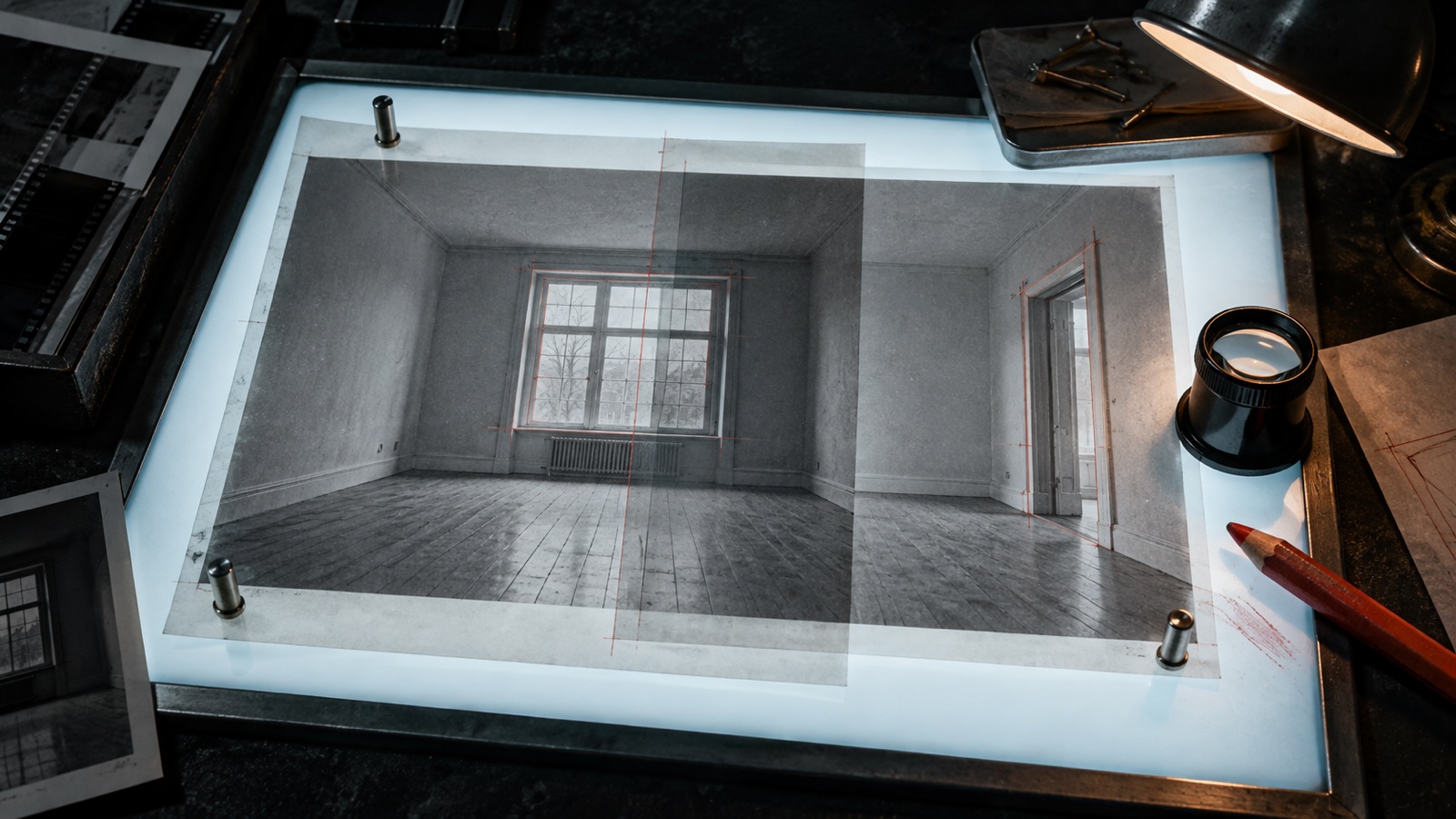
Photograph the apartment at move-in, including existing holes, chipped paint, stained grout, and damaged hardware. Save the original condition report and written approvals. Put every removed screw, handle, shade, and fixture part in one labeled box.
This paperwork is boring. It is also more useful than arguing over a blurry photograph at move-out.
Start with the things that belong to you
Before covering walls, work on the portable layer: rugs, lamps, curtains, bedding, art, cushions, and furniture. These items can carry color and texture without asking the apartment to change permanently.
A large rug can make mismatched flooring recede and define a living or dining zone. Check door clearance and use a pad suitable for the existing floor. Some rubber or colored backings can react with finishes, so follow the flooring and rug-pad guidance.
Curtains change a room quickly. Keep the owner's blinds if they are part of the property and make sure new fabric does not block required ventilation or heaters. Tension rods and removable brackets can work in some openings, but test their stability before hanging anything above a bed, desk, or walkway.
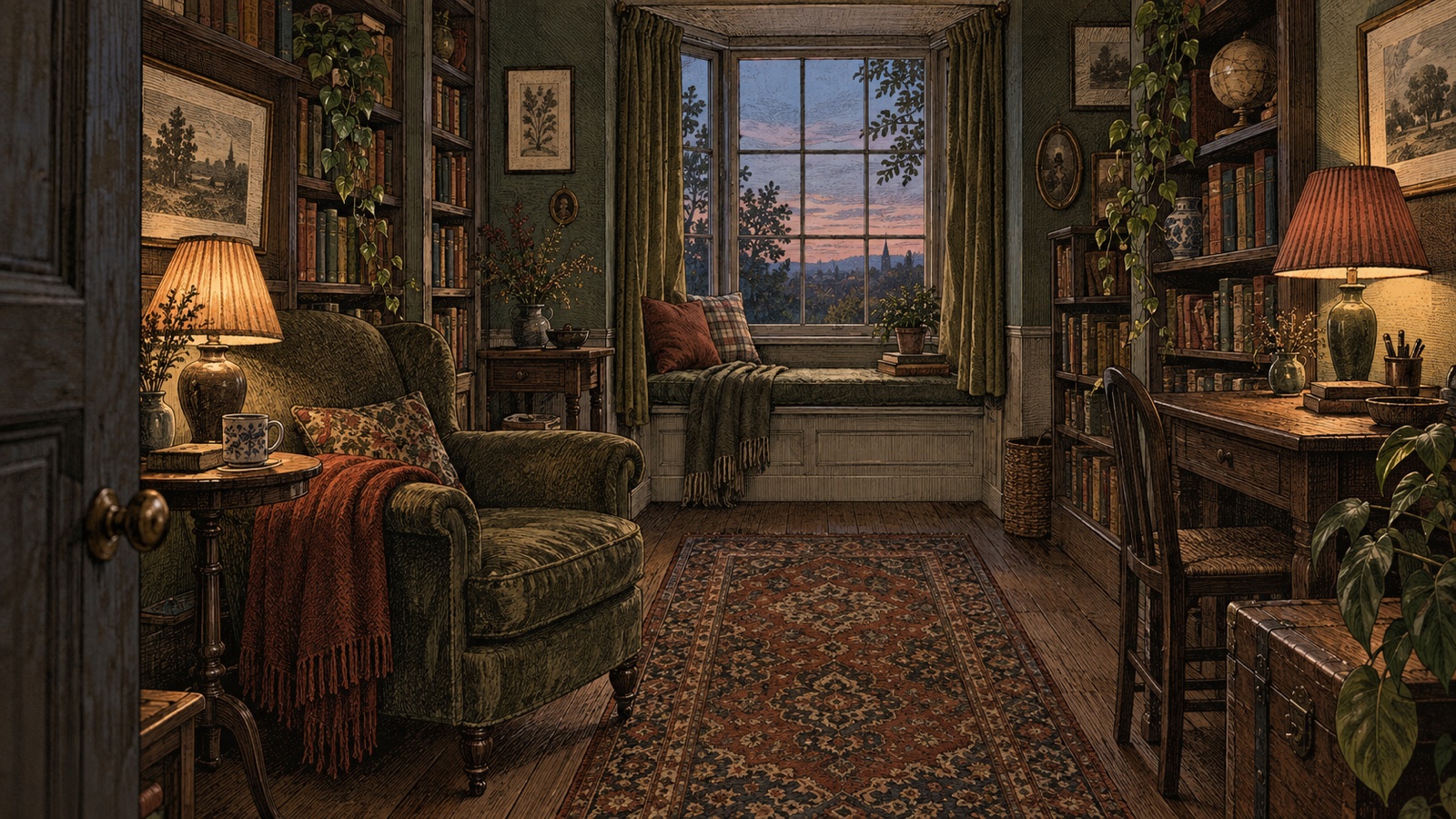
Lighting has similar influence. Floor lamps, table lamps, and plug-in wall lights add useful pools of light without touching fixed wiring. Route cords where people will not trip and do not overload outlets or unsuitable extension products.
These are not consolation prizes for people who cannot renovate. They are the parts of the room you will keep.
Add color in larger movable areas
Small colorful accessories can scatter attention without changing the room. One larger area of color often feels more deliberate.
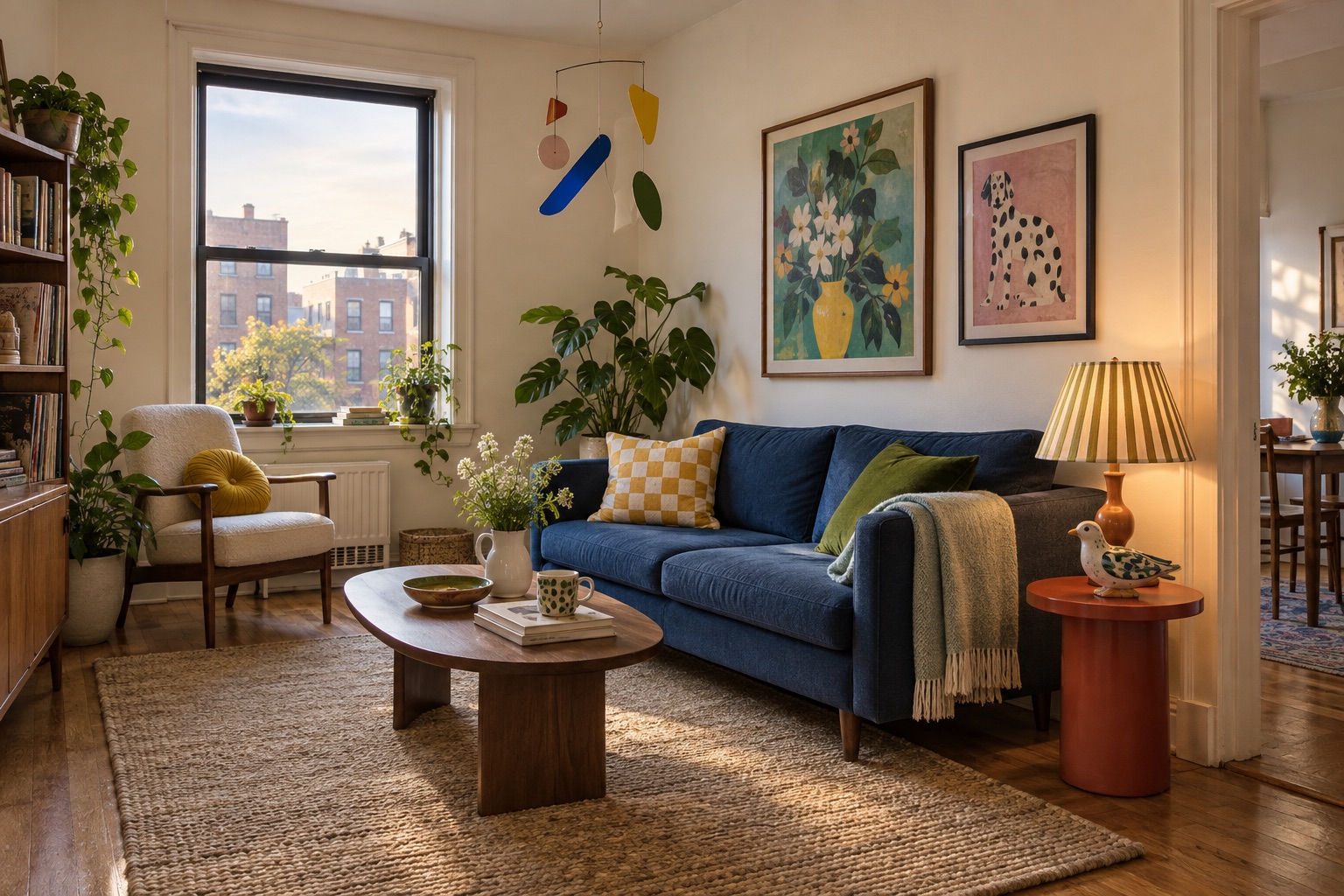
Try a full-length curtain, generous rug, painted freestanding cabinet, upholstered chair, or large textile hung with an approved method. Bedding can carry most of a bedroom palette. In a white rental kitchen, a washable runner and a freestanding cart can introduce color without wrapping every door in vinyl.
Use the apartment's fixed finishes as part of the scheme. Beige carpet, warm wood cabinets, and cool gray tile will not vanish because the mood board ignores them. Bring samples into the room and look at them beside the existing surfaces.
Painting may be allowed with permission and an approved restoration plan. If it is, painting one complete room can look more coherent than adding many temporary surface products. Confirm the required color, primer, finish, and move-out condition before opening a can.
Treat peel-and-stick products as experiments
Removable wallpaper, tile decals, countertop films, and floor products vary widely. The substrate matters just as much as the adhesive. Fresh paint, textured walls, failing laminate, porous grout, heat, grease, and moisture can change how a product bonds and releases.
Read the manufacturer's limits. Then test a small piece in a discreet location for longer than an afternoon. Remove it according to the instructions and inspect the surface under good light.
Do not cover damage, mold, loose paint, hot surfaces, electrical equipment, ventilation openings, or anything that needs regular inspection. Avoid wrapping an appliance unless its manufacturer permits it. In wet areas, a decorative film does not become waterproofing.
Pattern matching also requires more material than the simple area calculation suggests. Order from the same production batch where color consistency matters, and keep spare material for a damaged section.
If the test fails, accept the answer. The product may be removable somewhere else; it is not removable from that surface.
Make the furniture survive another floor plan
Rental rooms change. A sectional chosen for one left-hand corner may not fit the next living room. A wall-to-wall desk may become useless when the only window moves to the opposite side.
Favor furniture with some tolerance:
- tables that can work beside a sofa or bed
- shelving that can separate a room or sit against a wall
- modular seating that can reverse or split
- cabinets shallow enough for an entry, bedroom, or dining area
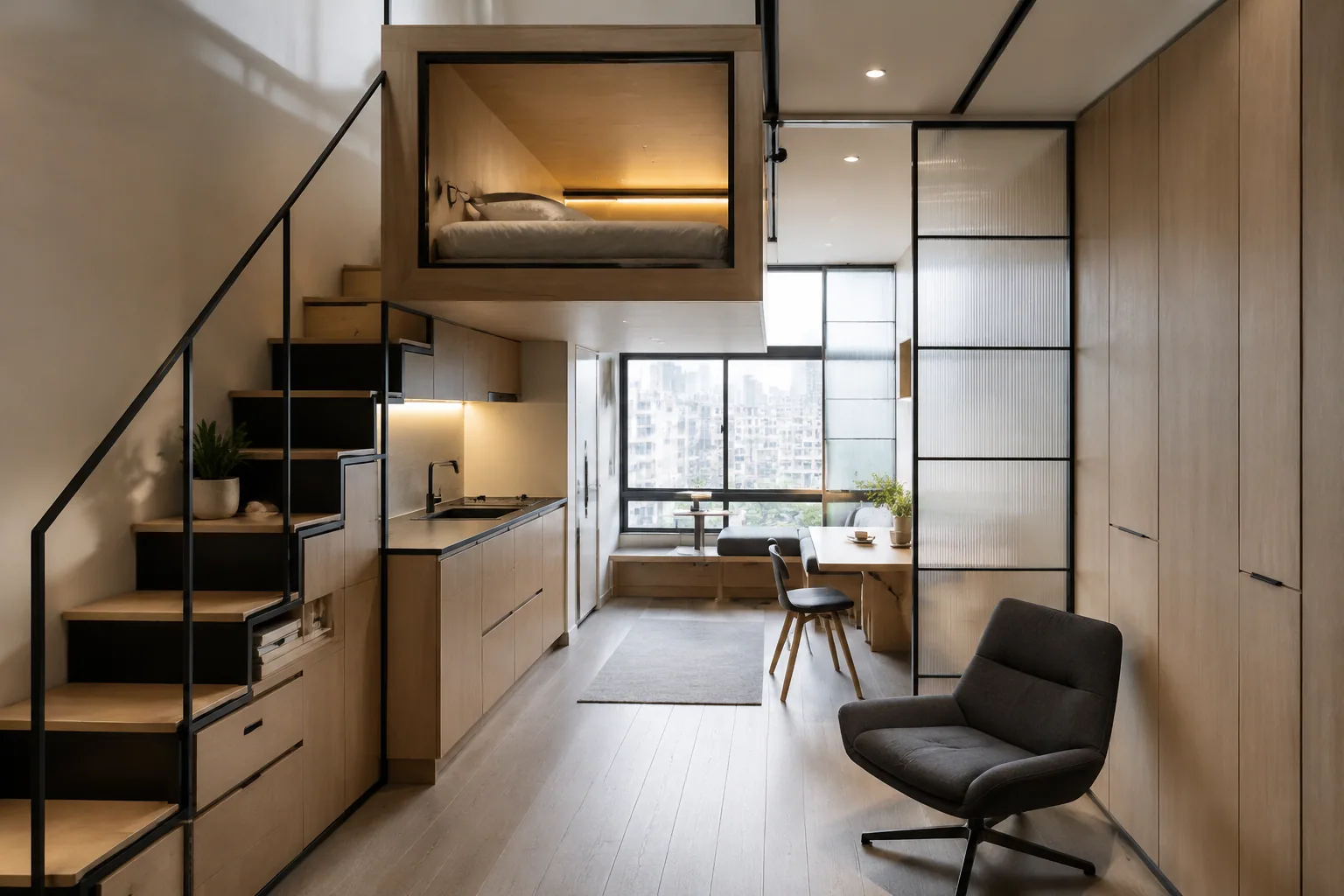
Measure doorways, stairs, and elevators before buying. Keep the assembly instructions and spare hardware. Furniture that comes apart cleanly has a better chance of surviving a move than a piece dismantled by guesswork.
Portable does not mean unstable. Tall storage may still require anti-tip restraint. Get permission for the necessary wall fixing and use hardware suited to the wall and furniture. A security deposit is not worth creating a tip hazard.
Build storage around daily clutter
Rental storage often misses the place where objects arrive. Shoes collect beside the door because the closet is across the apartment. Laundry waits on a chair because the hamper fits nowhere near the wardrobe.
Watch where the piles form for a week. Add storage there, if the route allows it. A narrow shoe cabinet, tray for keys, rolling cart, or bed with accessible drawers can solve a specific failure without filling the room with organizers.
For the highest-traffic drop zone, the entryway storage guide shows how to map objects and protect the path through the door.
Closed storage is useful for visually noisy necessities. Open storage is easier to reach and can keep a small room from feeling lined with heavy cabinets. Most rentals need some of each.
Leave a little capacity empty. Storage that only works when every item is placed perfectly will stop working during a busy week.
Hang art without turning the wall into a test site
The lease decides whether nails, screws, or removable adhesive are acceptable. The wall condition decides whether they work.
Use the hanging method rated for the object's weight and the actual wall surface. Clean and prepare the surface exactly as the product requires. Keep adhesive tabs away from fragile paper, fabric, valuable art, and finishes the manufacturer excludes.
Leaning art on a secured console or shelf can avoid some wall holes, but large frames still need protection against slipping or tipping. Do not lean heavy glass above a bed or in a route where it can be knocked.
A small, concentrated group of art often has more presence than many little objects spread around the apartment. Start with what you already own. A rental does not need a package of generic prints to look complete.
Use the gallery wall planning method to test the group with paper templates before choosing an approved hanging method.
Change hardware only when the change is truly reversible
Cabinet pulls can be easy to swap if the new hardware uses the existing holes and does not scratch the finish. Measure the distance between screw holes rather than judging by appearance. Store each original pull with its screws.
Plumbing fixtures, electrical fittings, smoke alarms, locks, thermostats, and wired window coverings are a different category. They affect safety, services, or building systems. Get written permission and use qualified trades where required. Never disable or cover safety equipment for the sake of the room.
If you replace a permitted fixture, check that the original remains complete and undamaged. Photograph the installation before and after. A missing bracket can turn a reversible change into an expensive search years later.
Design the real apartment before buying anything
Take straight photographs of each room in daylight. An AI interior design tool can help compare rugs, curtains, portable storage, and furniture positions while keeping walls and fixed fixtures unchanged. State the rental limits in the instructions: no new flooring, no structural work, keep the existing cabinets.
AI images routinely replace exactly the awkward finish you need to work around. Reject those versions. A concept is useful when it respects the beige carpet, low window, or dark cabinet and still finds a direction.
If you have a reference interior you like, style transfer can identify which parts of that look might carry into the rental. Concentrate on palette, textile weight, furniture shape, and lighting. Ornate wall paneling generated over a plain lease-protected wall is not an actionable idea.
Keep a move-out box and a restoration note
Put the owner's hardware, paint information, spare adhesive-removal tools approved by the manufacturer, and copies of permissions in one place. Add a note whenever you change something. Future you will not remember which tiny screw belonged to the bathroom handle.
Before the final week, review the restoration terms and test removal where possible. Some adhesives release differently after a long period. Allow time to repair permitted holes or return approved paint colors according to the agreement.
The rental can feel personal now and still be straightforward to hand back. Those goals do not conflict when reversibility is designed from the beginning.
Rental decorating questions
Is peel-and-stick wallpaper safe for every rental wall?
No. Adhesive performance depends on the product, paint, surface texture, moisture, age, and removal method. Check the lease and manufacturer guidance, then test a hidden area before covering a wall.
Can renters change light fixtures?
Only with the required permission and safe installation. Hardwired work may require a qualified electrician. Keep the original fixture and all of its parts if an approved replacement is installed.
How can I add color without painting?
Use larger portable areas such as curtains, rugs, bedding, art, and painted furniture you own. Relating those colors to the fixed floor and cabinetry usually looks more intentional than scattering many small accents.
What furniture is best for a rental apartment?
Choose pieces that fit the current room, can pass through the access route, and have a reasonable chance of working in another layout. Modular, reversible, shallow, and multi-use furniture often travels more easily.
How do I protect my security deposit while decorating?
Follow the lease, get unclear permissions in writing, document the original condition, test temporary products, store every removed part, and leave enough time for the agreed restoration work.
From reading to reimagining
Explore these ideas in your own space
Find a tool for the next step in your project.