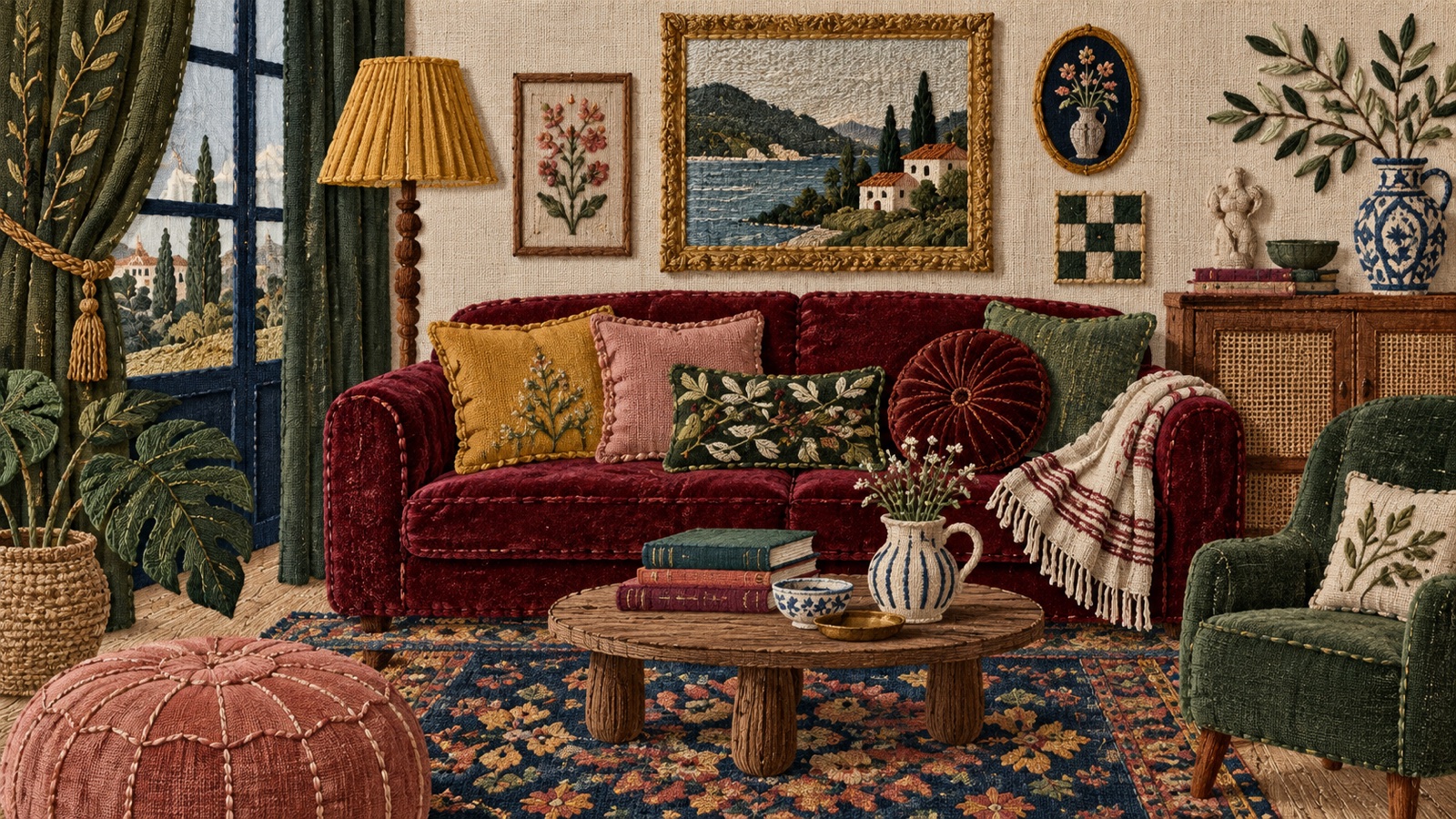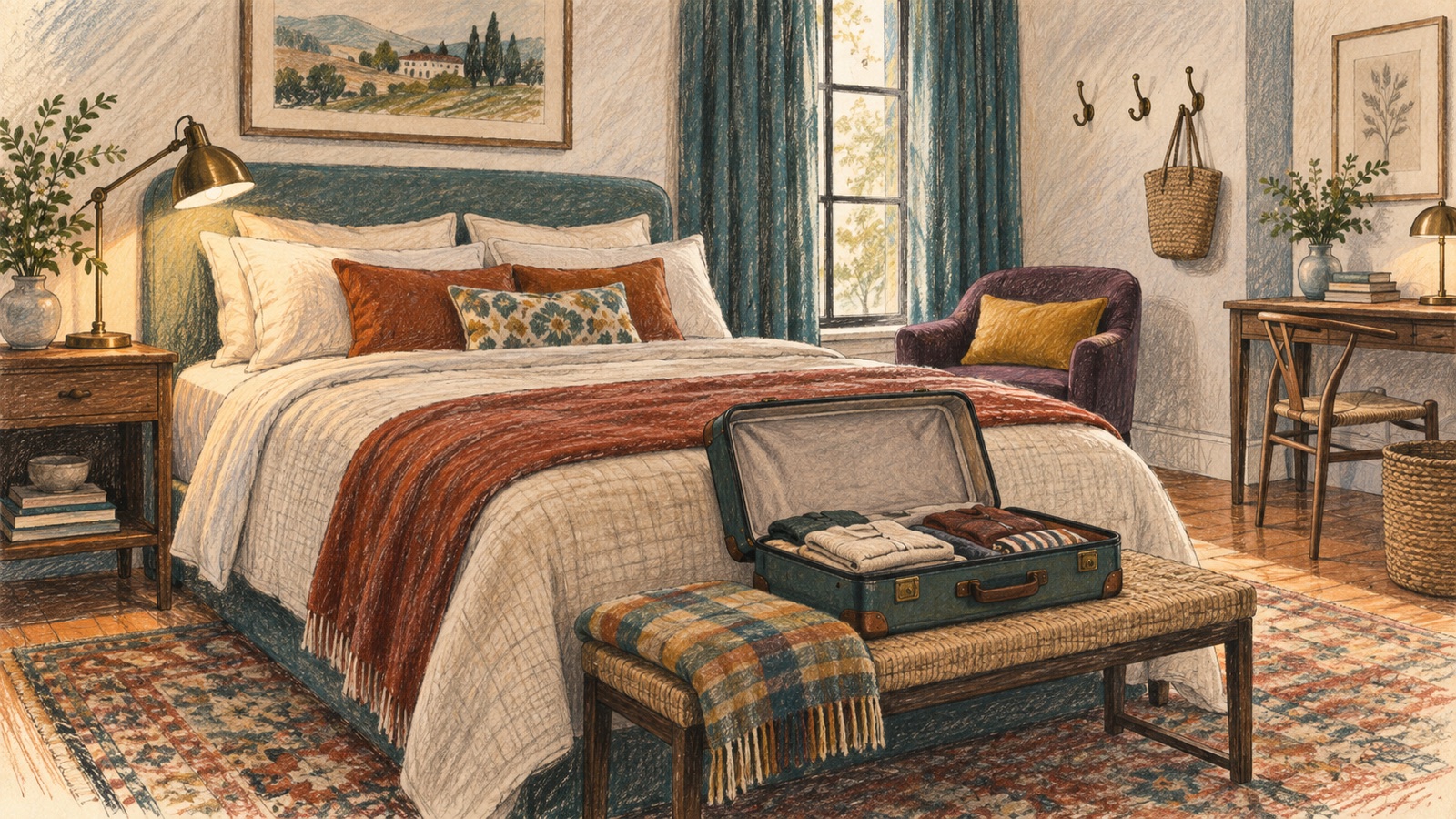

Burrowcore decor: make a cozy room without the clutter
Burrowcore decor uses low light, tactile layers, old furniture, and personal objects to make a room feel sheltered. Use the look without losing function.
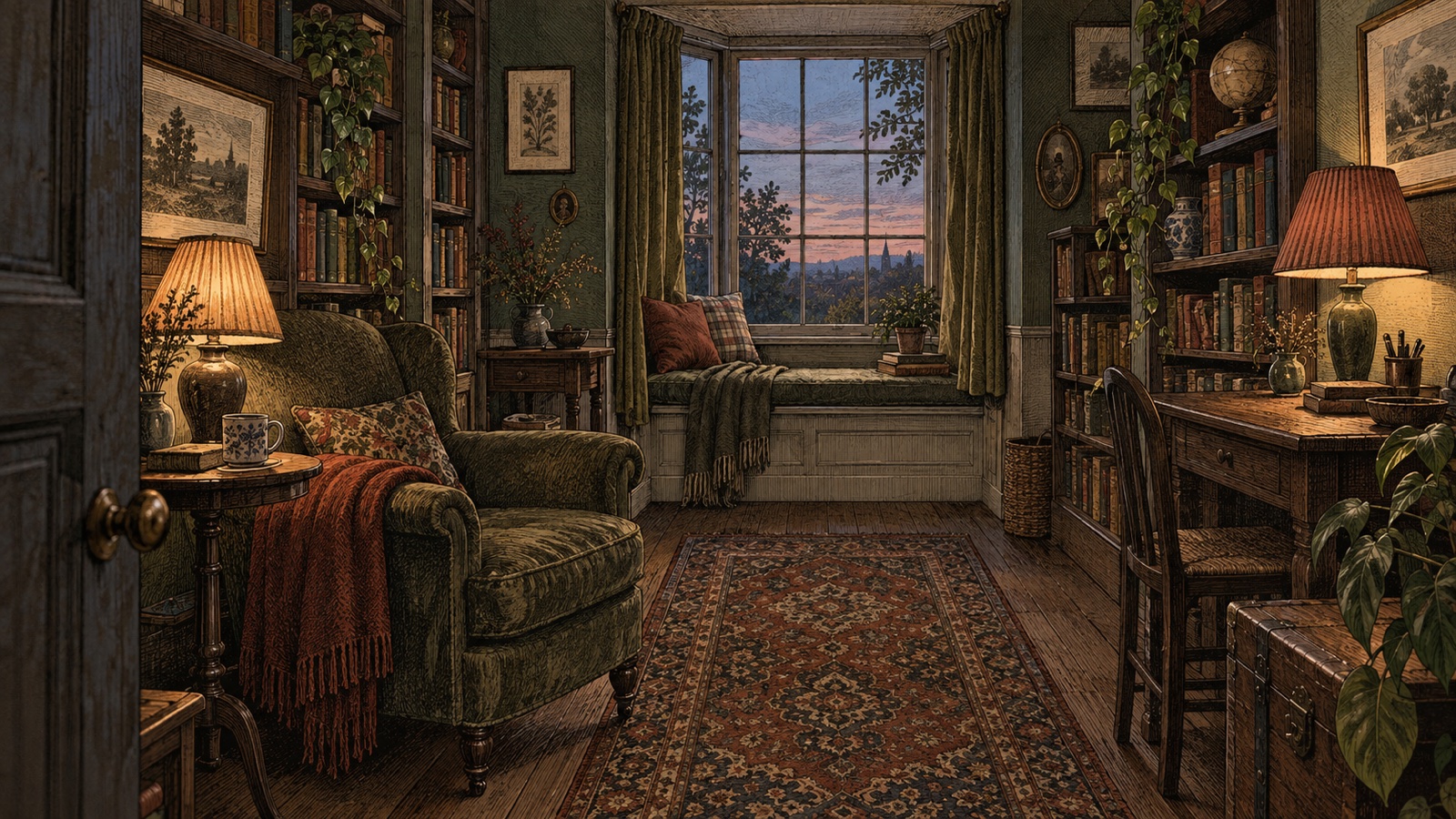
Burrowcore decor makes a room feel like a place to settle in: low pools of light, deep seating, worn wood, tactile cloth, books, useful objects, and corners that feel protected rather than staged. The name has become newly visible in 2026 design coverage; the instinct is much older. People have always drawn a chair toward the lamp, kept a blanket within reach, and filled shelves with the things they return to.
The useful version of burrowcore is less about copying a storybook cottage than noticing what makes your own home feel sheltered. It can work in an apartment, a modern house, or one corner of a bedroom. It does not require making the room brown, buying antiques by the cartload, or blocking daylight in the name of coziness.
DwellShift publishes this guide and recommends its own room design tools. We have not tested furniture, lamps, textiles, or generated-image quality for this article. Check dimensions, care, electrical suitability, fire safety, fixing methods, and household needs before purchasing or installing anything.
The cover is an AI-generated, hand-colored etching concept. It is not a photograph of a completed room or a historical print.
What does burrowcore mean?
Burrowcore is an emerging 2026 decorating term for rooms that feel enclosed, tactile, personal, and gently lit. It borrows the emotional idea of a woodland den or a home in a children's story: a small place with thick walls, a chair by the fire, objects gathered over time, and food or books close at hand.
House & Garden covered the term in March 2026, connecting it with children's illustrated hideaways and interiors shaped by gradual collecting. Autumn coverage then sharpened the seasonal version. The English Home described it in September as sensory, low-lit, and comfortable, while Ideal Home focused on layered lighting in October.
Those articles show that the word is still fluid. There is no official burrowcore palette or approved furniture list. That is helpful: a room can feel protective without turning into a themed set.
Burrowcore and cottagecore are not the same room
Cottagecore often begins with an imagined rural life: florals, painted furniture, crafts, gardens, and a romantic version of the countryside. Burrowcore begins closer to the body. Where do you sit when you are tired? Which lamp makes reading easy? What surface feels good under bare feet? Which objects make the room recognizably yours?
The two looks can overlap, but burrowcore does not need gingham, dried flowers, or a cottage shell. A dark modern apartment with a low linen sofa, one shaded lamp, a repaired wood cabinet, and a stack of records can carry the same sense of refuge.
| Burrowcore decision | What it should do | When it has gone too far |
|---|---|---|
| Low light | Create separate pools for reading, resting, and moving | Routes, steps, or work surfaces become hard to see |
| Deep color | Reduce visual glare and give objects a background | The room loses all contrast and feels flat |
| Layered textiles | Add warmth, touch, and sound absorption | Seats disappear under cushions and cleaning becomes a burden |
| Old or worn pieces | Bring use, repair, and time into the room | Every object is bought to imitate age |
| Close arrangement | Make conversation and rest feel protected | Doors, heaters, windows, or walking paths are blocked |
| Personal objects | Show what the household reads, makes, and keeps | Every surface becomes storage or display |
Start with one place to land
Do not burrow the whole room on the first weekend. Choose the place where you already slow down: one end of the sofa, a chair beside a window, the bed, or a kitchen seat used for late tea.
Watch what is missing there. Perhaps the ceiling light is too harsh for reading. The chair may need a small table within reach. A cold floor may make the corner uninviting. Books might live across the room because there is no nearby shelf.
Solve that small sequence before adding a style. A chair, reachable light, surface, textile, and place for the current book can create more refuge than a room full of decorative mushrooms and woodland prints.
This also makes the look easier to reverse. Renters can use a plug-in lamp, freestanding shelf, rug, curtain, and movable chair without changing the shell. The reversible apartment decor guide covers the practical limits of fixings, adhesive products, and landlord-owned surfaces.
Build the lighting from the route inward
Burrowcore photographs often appear very dim. A room used by real people needs more than atmosphere.
Begin with the route from the door to the seat. Steps, changes in level, and obstacles should remain legible. Then light the activity: a reading lamp beside the chair, a table lamp near a game, or useful light over a kitchen work surface. The warm background glow comes last.
A shade can soften a visible bulb. Light aimed at a wall or ceiling can keep a corner present without creating a bright point. Lamps at different heights make the room feel layered, but each one needs a job and a safe cable route.
Color temperature, brightness, shade material, wall color, and time of day all change the effect. Test the actual lamp in the actual corner. The bedroom lighting guide gives a fuller method for separating task, ambient, and nighttime light.
Candles may suit the image, but an unattended flame is not a lighting plan. Use products as directed and keep heat sources clear of curtains, paper, throws, and upholstered furniture.
Use deep color without swallowing the room
Burrowcore coverage often shows moss green, tobacco brown, oxblood, ochre, and dark timber. You can create the same closeness with quieter or lighter colors if their relationships reduce glare and visual distance.
Try one enclosing surface first. A deep wall behind a bookcase can make the shelf feel settled. Full curtains can frame the window at night. A large rug can give the seating area a softer boundary. In a dark room, keeping the ceiling, window reveal, or one wall lighter may preserve enough reflection for daily use.
Look at the room in morning light, on a gray afternoon, and after sunset. A digital preview can compare color relationships, but paint and textile samples reveal sheen and undertone in the real light.
Layer touch where a person will notice it
Texture is useful when it meets the body or changes the sound of the room. Put softness underfoot, at the back of a chair, across the arm of the sofa, or at the window. A wool rug, washed linen curtain, smooth wood arm, and one dense blanket provide more contrast than six versions of the same shaggy fabric.
Check the ordinary consequences. Heavy curtains collect dust and can cover radiators. Deep-pile rugs complicate wheels and doors. Fringes may not suit pets or small children. A mountain of cushions has to go somewhere before anyone can sit down.
Burrowcore should reduce friction at the point of rest. If getting comfortable begins with moving a pile of decor, the room is serving the picture.
Let old things remain specific
The fastest way to make this trend generic is to buy a complete set of objects that look inherited. Start with what already has a reason to stay: a repaired table, old lamp, chipped bowl, stack of paperbacks, family photograph, record player, or child's drawing.
Group objects by use or relationship. Keep reading near the chair, games near the table, and ceramics where their shape has room to register. A small collection looks deliberate when the surrounding surface still has a job.
Secondhand furniture deserves the same practical checks as new furniture. Measure it, inspect its structure and finish, consider cleaning and repair, and plan the delivery route. Age does not automatically mean quality, safety, or suitability.
The living room decor guide offers a layer-by-layer method for working with anchors, color, light, textiles, walls, and personal objects without replacing everything.
Keep the burrow breathable
A sheltered feeling comes from visual enclosure and comfort, not from sealing the room. Do not block vents, radiators, windows, or required exits with furniture and curtains. Moisture, cooking, heating, and the number of people in a room all affect ventilation needs.
Leave the window operable and keep the route to it clear. Clean textiles according to their care instructions. If heavy fabrics, old upholstery, dust, smoke, or fragrance affect someone in the household, choose washable and low-shedding layers and keep the look simpler.
The same rule applies visually. Leave one wall, tabletop, or patch of floor relatively quiet. The eye needs somewhere to rest before the collected objects can feel comforting.
Preview one burrowcore change at a time
A trend prompt on its own often produces a generic fantasy: stone fireplace, mushroom lamp, too many blankets, and a room that no longer resembles the source. Write the practical room first and the trend second.
For example:
Keep the two windows, doorway, radiator, oak floor, blue sofa, bookcase, and camera view. Make the reading end of the sofa feel more sheltered. Add one shaded plug-in lamp, a small dark wood table, full but openable rust curtains, and one moss wool throw. Keep the path from the door to both windows clear. Do not add a fireplace, built-ins, candles, or decorative woodland objects.
Use a room design preview to test that one corner. DwellShift's Agent can keep the preservation list and practical exclusions attached to the project, then help revise the brief if the first direction becomes too dark or crowded. The broader DwellShift room design route for atmospheric spaces also lets the project move from a photo study to focused tools without rebuilding the context.
DwellShift publishes the product described here. The Agent can organize your constraints and prepare a proposal for review; it cannot verify lamp safety, fabric performance, ventilation, furniture condition, or real-world clearances from the render.
Compare the result with the source photo. Count the windows and doors. Check the radiator, walkway, furniture size, and direction of light. Reject an image that creates coziness by shrinking the room or deleting an opening. The guide to avoiding generic AI room design can help when every version falls back to the same stylized props.
Questions people ask about burrowcore decor
Is burrowcore just another name for cottagecore?
No. The looks can share old furniture, pattern, and a storybook mood, but burrowcore is centered on shelter, touch, low light, and lived-in comfort. It can work without a rural theme.
Does a burrowcore room have to be dark?
No. It needs contrast between useful light and softer background light. Pale rooms can feel enclosed through curtains, rugs, close seating, and a few warm materials without sacrificing daylight.
Can burrowcore work in a small apartment?
Yes, especially when it is limited to one landing place. Use movable pieces and keep the main route, windows, heaters, and storage accessible. A compact room becomes less comfortable when every edge is filled.
What colors suit burrowcore?
Earthy greens, browns, rusts, ochres, and deep reds appear often, but there is no fixed palette. Begin with an existing rug, wood tone, artwork, or view and choose colors that make that relationship feel quieter.
Do I need to buy vintage furniture?
No. Repairing, rearranging, and continuing to use familiar pieces fits the idea better than buying a room full of instant age. Add secondhand pieces only when their size, condition, and function suit the room.
Make a refuge, not a set
Burrowcore is useful when it gives a name to something your room already needs: a better reading light, a warmer surface, a closer conversation group, or permission to keep imperfect objects. Once those needs are solved, the trend has done its job.
Choose one place to land, keep the route and daylight working, and add only what makes that place easier to use. To carry the source photo, keep list, lighting idea, and next revision together, build a burrowcore room brief with the Agent.
From reading to reimagining
Explore these ideas in your own space
Find a tool for the next step in your project.