
Entryway storage ideas for the things that actually come through the door
Plan an entry around shoes, coats, bags, keys, wet weather, and the width people need to arrive without creating a wall of clutter.
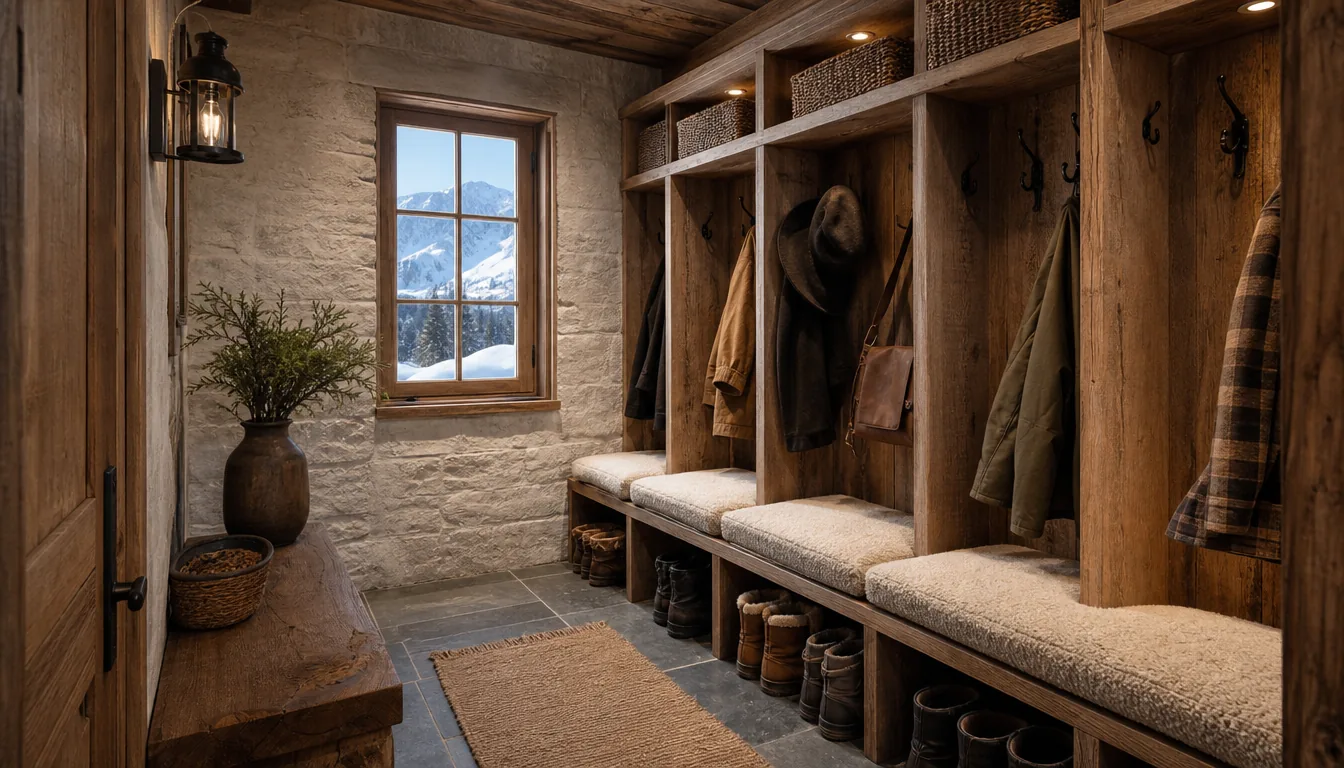
An entryway bench with six empty baskets looks organized. Then somebody comes home carrying groceries in the rain, drops keys on the nearest ledge, kicks off wet shoes, and hangs a coat on the first reachable handle.
The entry reveals whether storage is in the right place. If daily objects keep missing it, the objects are not misbehaving.
Watch the doorway for a week
Before ordering a hall tree or built-in cabinet, record what crosses the threshold. The list changes by household and season.
There may be shoes, coats, helmets, dog leads, school bags, umbrellas, mail, reusable shopping bags, sports equipment, and packages waiting to leave. Add the things people carry while using the door: a child, grocery bags, luggage, or a stroller.
Note where each object lands now. A pile often points to a missing action. Shoes beside the door need a low, easy destination. Mail on the floor may need a small tray near the route to the kitchen. A backpack hung on a dining chair may need a hook that its owner can actually reach.
Separate arriving objects from long-term storage. The entry should hold the active rotation. Off-season coats and rarely worn shoes can live elsewhere if space is tight.
Protect the path before adding storage
Measure the door when it is fully open. Include sidelights, radiators, switches, vents, and access panels. Then mark the standing area used while one person opens the door and another removes shoes.
A shallow cabinet that looks harmless on the wall can narrow the busiest route in the home. Handles and open drawers extend even farther. Tape the proposed depth on the floor and carry a large bag through the entry.
The same circulation-first test appears in the small living room layout guide, which is useful when the entry shares space with seating.
Storage beside stairs must stay clear of required landings, rails, and escape routes. Do not let shoes, baskets, or furniture interfere with the door, safety equipment, utilities, or ventilation. Local building and fire rules take priority over the perfect drop zone.
If the available depth is minimal, use the wall carefully. Hooks, a slim shelf, or a shallow closed shoe cabinet may fit. Secure tall and tip-prone furniture properly with hardware suited to the wall.
Put the first action within one reach
People use the easiest available surface. Design the sequence from the doorway inward.
Wet umbrella comes in. It needs a stable place that can handle water. Coat comes off. The hook should be clear, strong enough, and reachable. Shoes come next. A mat or tray should accept them without asking anyone to open a complicated drawer while balancing on one foot.
Keys and wallet need a small, defined landing place. Keep it away from the door glass or any location visible and reachable from outside. Mail needs a route too, either a sorting tray or a direct trip to where household paperwork is handled.
The order will differ in a home where shoes stay on, a snowy climate, or an apartment with a shared corridor. Copying a mudroom designed for another life produces decorative storage rather than useful storage.
Mix open and closed storage
Open hooks are fast. Closed cabinets hide visual noise. An entry usually benefits from both.
Keep the items used every day in the easiest open positions. Give each person a hook or section if that reduces overlap. Use closed storage for extra hats, bags, shoe-care supplies, and the objects that would otherwise fill every visible cubby.
Too much open storage turns each possession into part of the decor. Too much closed storage adds doors and handling to a moment when hands are already full.
Cabinet ventilation matters for damp coats and shoes. Do not seal wet items into an unventilated box. Let them dry in an appropriate location, and choose trays and interior finishes that can be cleaned.
Upper cabinets can hold seasonal gear, but the things inside should be light enough to retrieve safely. A pile of heavy equipment above a bench is poor storage even if the doors close.
Decide whether the bench solves a problem
A bench is useful for tying shoes, helping a child, or setting down a bag while unlocking the door. It also consumes floor depth and can become a permanent parcel shelf.
Test the height and depth with the people who will use it. Check that sitting knees do not block the route. A short perch may be enough in a narrow hall. A movable stool can serve the same task and shift away when luggage comes through.
Storage beneath the seat works best when it remains accessible. Deep baskets force people to rummage. Hinged lids cannot open when bags are stacked on top. Drawers need room to extend.
If nobody sits to remove shoes, use the footprint for closed storage or leave it open. The entry does not owe the internet a bench.
Give shoes a realistic amount of room
Count the pairs in active use and measure the largest ones. Boots, running shoes, and children's footwear do not fit the same compartments. A diagram of identical sneakers is not a storage plan.
Open shelves make shoes easy to see and allow some air movement. Tilt-out cabinets reduce depth but may reject bulky footwear. Deep drawers hide shoes and keep the floor clear, though they need full opening space.
Use a washable mat or tray for wet footwear. Provide somewhere for it to dry before it enters closed storage. If the floor is sensitive to moisture or grit, extend the protected area through the full step-in route rather than placing a decorative mat that ends after one shoe length.
Keep only the current rotation near the door. A smaller rack that works every day is better than a large cabinet filled with pairs nobody reaches for.
Handle wet weather as a material problem
The entry floor receives water, grit, leaves, and whatever is stuck to a suitcase wheel. Choose a surface and cleaning routine that suit that reality.
Where the existing floor is vulnerable, use a properly sized mat with a backing suitable for the finish. Make sure its edge does not catch the door or become a trip point. Washable runners can protect a longer route, provided they stay flat.
Paint and cabinet finishes near hooks take repeated knocks. A finish that can be wiped and touched up may be more practical than a delicate wall treatment. Dark color hides some marks but can show pale dust and salt. Pale color does the reverse.
Plan airflow for wet gear. A coat packed against a wall has little chance to dry. Spacing between hooks, an open rail, or a separate drying location may be necessary during bad weather.
Make a small entry feel intentional
An entry can be narrow and still have a clear visual idea. Choose one strong element: a cabinet color, durable runner, wall light, mirror, or piece of art. Let the storage support it.
A mirror can help with the last check before leaving and may move light through a dark hall. Position it where it does not reflect private rooms or create glare at the doorway. Use suitable fixings for its weight and wall type.
Lighting should make the lock, floor, storage, and faces visible. A fixture that only creates a decorative pool on the ceiling leaves the actual tasks in shadow. If the entry connects directly to a living room, a warmer secondary lamp can soften the transition after the practical overhead light is off.
Keep the top of a console or shoe cabinet mostly available. The empty part is where a package lands while you close the door. Filling it with decor only moves the package to the floor.
Create an entry where no entry exists
Some homes open directly into a living room. Build a small arrival zone without constructing a fake hallway.
For apartments where permanent cabinetry or wall changes are not possible, the renter-friendly decorating guide offers reversible ways to define the zone.
Turn the back of a sofa or an open shelf perpendicular to the door if the route remains clear. A rug or change in light can define the area. A shallow cabinet and two hooks may be enough to catch daily objects.
Avoid tall dividers that block the only daylight or create a blind corner at the door. Open shelving needs restraint because both sides remain visible. A lower piece can mark the boundary while preserving the view across the room.
In a studio, decide how much of the entry you want visible from bed. Closed storage can quiet that view. In a family room, faster open storage may matter more. The room should reflect the mess you really have, not the mess you think looks acceptable.
Preview the storage at full depth
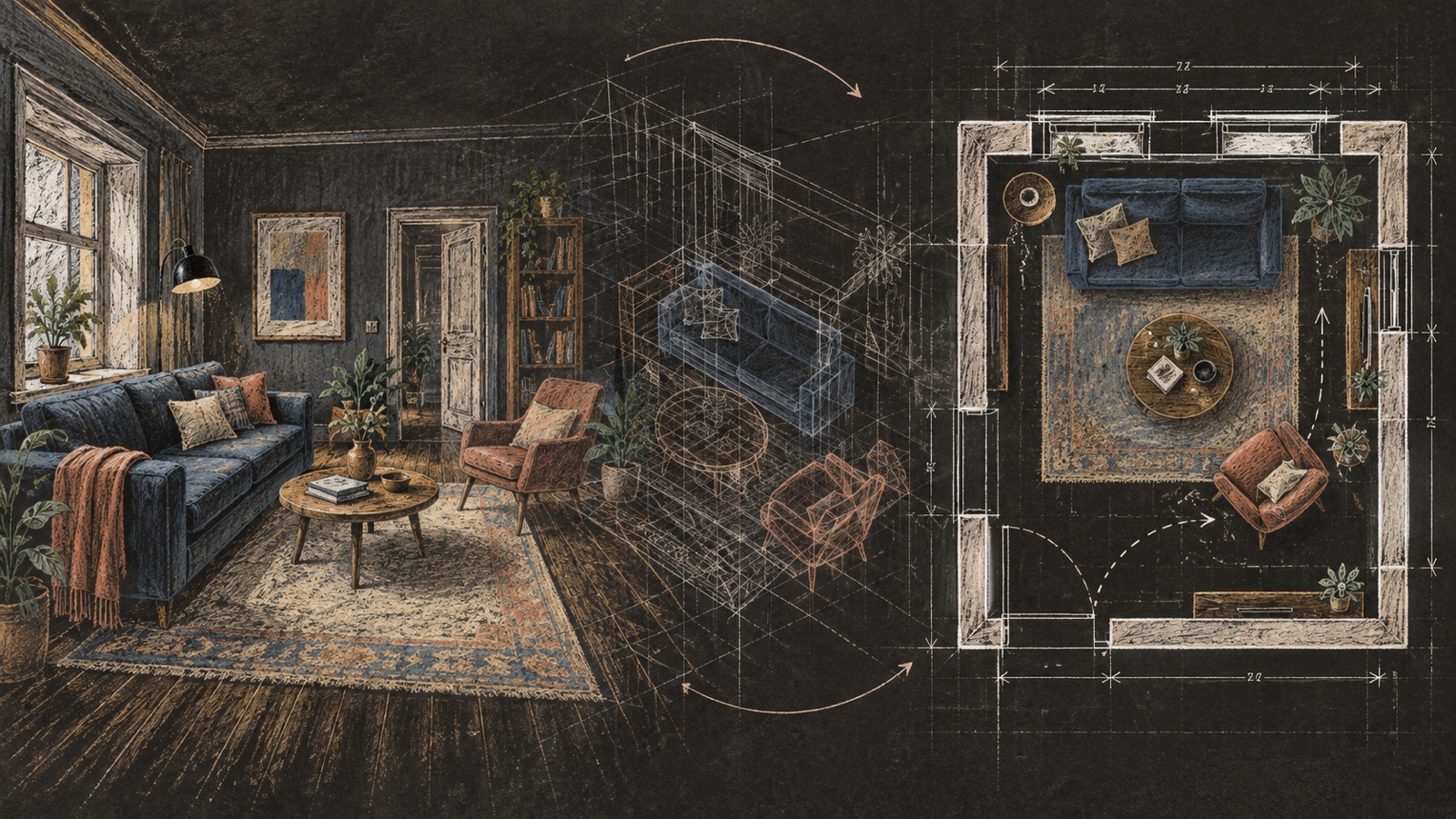
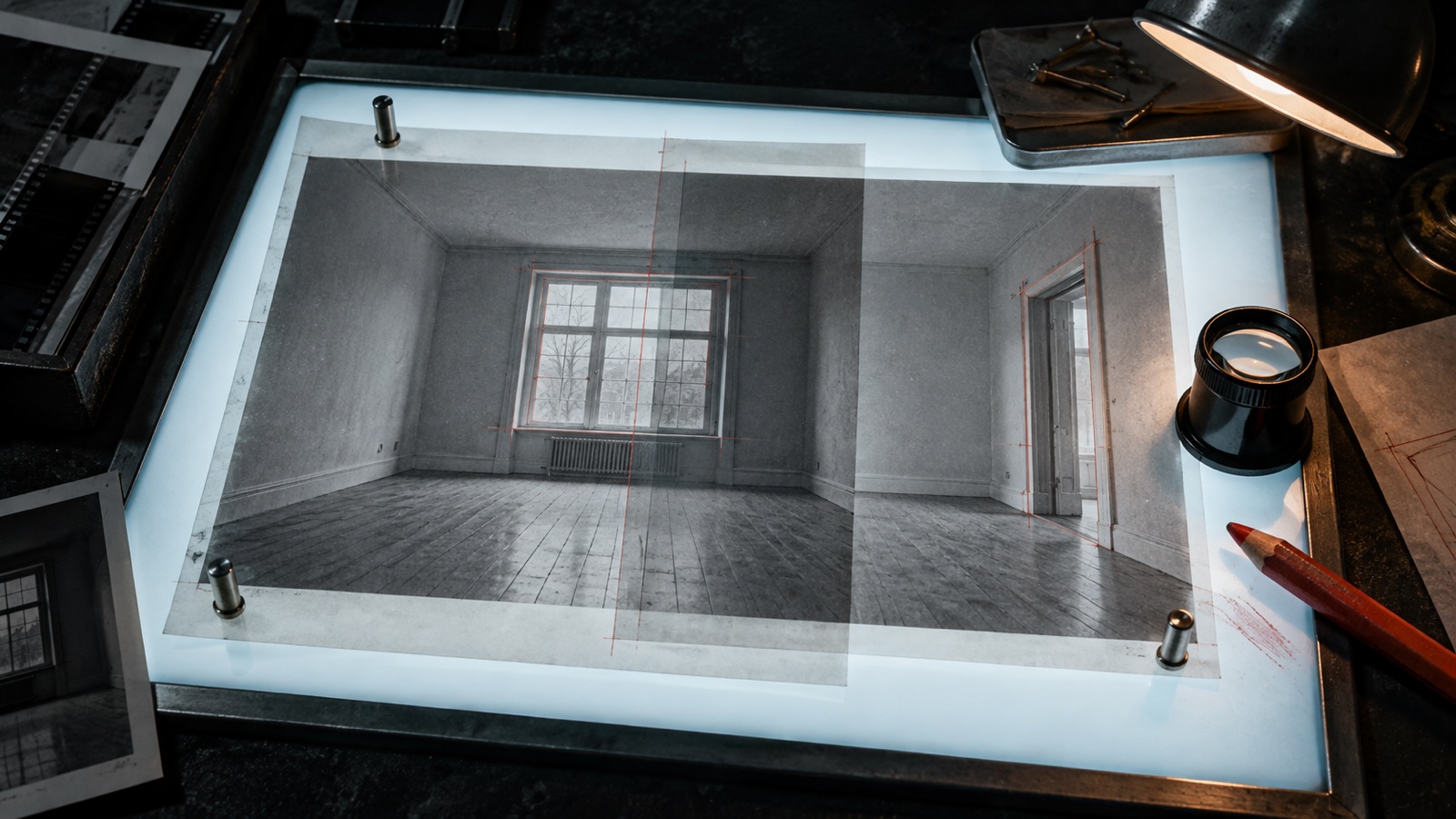
Use an AI interior design concept to compare a shallow cabinet, open hooks, or a small bench in the actual entry. Include the open door in the source photo if possible, and instruct the tool to preserve stairs, switches, radiators, and the passage width.
Generated concepts often make cabinets shallower than the shoes inside or remove door conflicts. Check every idea against measurements. Draw open drawers, sitting knees, and the largest item carried through the doorway.
The visual preview can settle color and composition. The taped floor decides whether the entry still works when two people arrive together.
Entryway storage questions
How deep should entryway storage be?
It should be deep enough for the specific objects and shallow enough to protect the required path. Measure shoes, bags, and coats, then tape the cabinet footprint and open-door position on the floor.
Is open or closed entryway storage better?
Open storage is faster for daily items. Closed storage hides extras and visual clutter. Combining a few accessible hooks with a cabinet or drawer usually handles both needs.
What can I use instead of an entryway bench?
A movable stool, small chair, wall-mounted perch, or no seat at all may work. Choose according to whether anyone actually sits to remove shoes and how much path width is available.
How do I organize an entryway without a closet?
Keep only the active seasonal rotation there. Use shallow wall storage, hooks, a shoe tray, and one closed container for smaller items. Move overflow to storage elsewhere in the home.
How can I keep an entryway from looking cluttered?
Reduce the number of visible storage compartments, give daily objects a reachable place, and move off-season items out. Leave part of the landing surface empty so the room can handle arrivals.
From reading to reimagining
Explore these ideas in your own space
Find a tool for the next step in your project.